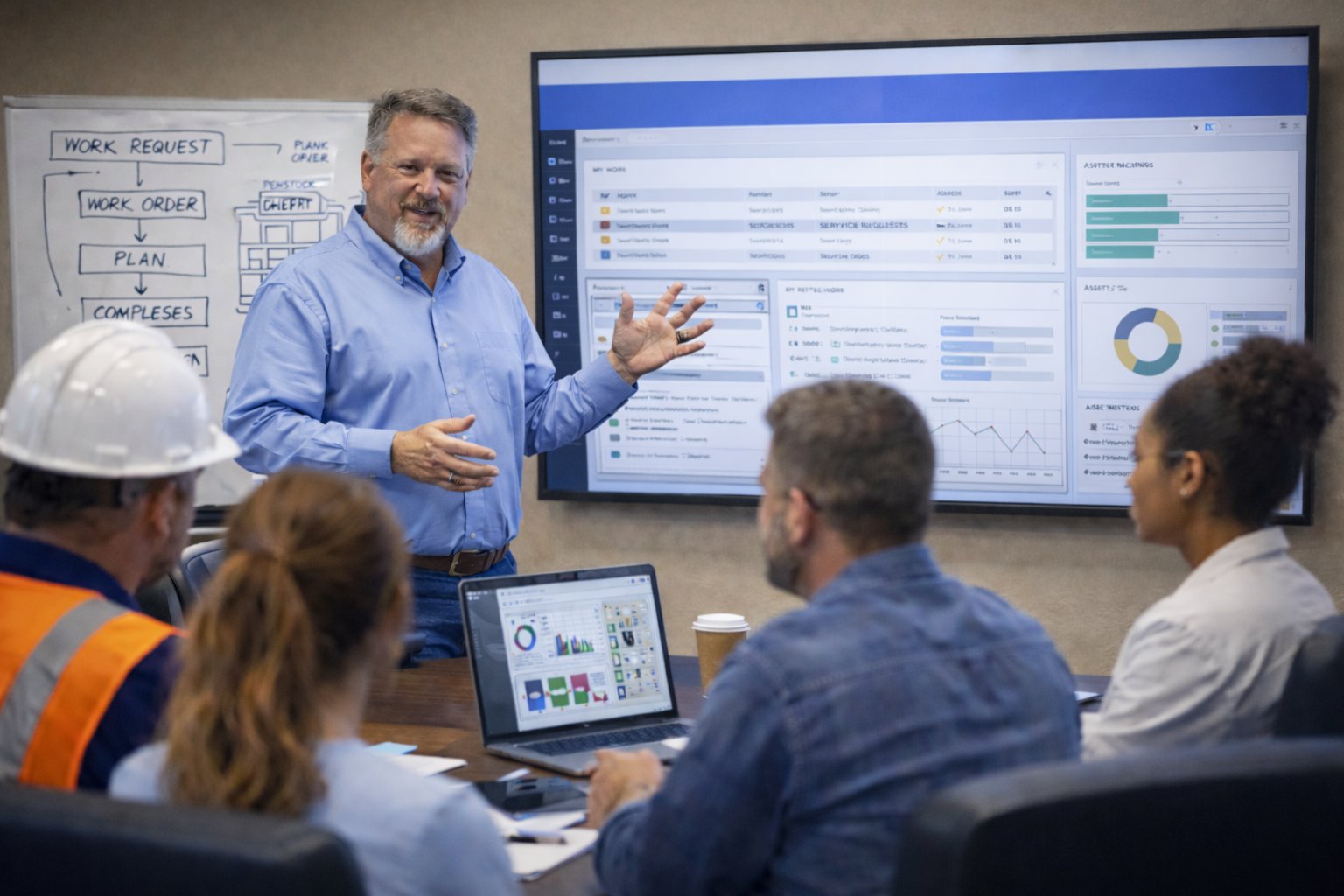
The most common failure mode in asset management is good strategy that breaks down at the work-order level. The plan looks great in PowerPoint and falls apart on a Tuesday morning when a planner has 47 tabs open in their CMMS and can’t find the right one.
We design operations and EAM/CMMS workflows around how work flows in your organization, not how a software vendor or a consulting deck assumes it does. The result is systems your planners, supervisors, field technicians, and crews stop fighting with and start using to do better work.
What is your system doing for you, and where is it falling short? A focused, time-boxed diagnostic with concrete recommendations, vendor-agnostic.
For when an EAM/CMMS rollout has stalled, under-delivered, or is being “tolerated” rather than used. We bring it back to life by rebuilding around how the work flows.
From scratch or refresh: the planning, scheduling, execution, and close-out workflows that turn maintenance from reactive firefighting into a planned, measurable program.
Specialized support for the systems where reliability and safety carry the most weight: electric T&D, water/wastewater, energy, and process manufacturing.
Whether you’re standing up Maximo Application Suite, migrating off Maximo 7.6, or trying to rescue a deployment that’s been live for years and never quite landed, we bring decades of hands-on Maximo experience to the work. Configuration, workflows, hierarchy design, reporting, integrations, adoption: the work that turns a Maximo license into a working program your crews use.
Vendor-agnostic by default. Specialized in Maximo when that’s the system you’ve chosen.
Explore our Maximo practice →Most operations engagements start with a focused diagnostic. We sit with planners and supervisors, watch the work flow alongside field technicians and crews, and pull together a candid picture of what’s working and what isn’t. The recovery or build phase is hands-on and field-grounded; we don’t hand off a configuration document and walk away.
Every engagement leaves behind specific, concrete things your team can point at, defend, and run with after we’re gone. Below is what that usually looks like.
Where there used to be a half-configured tool that planners, supervisors, and field crews worked around, there’s now a single system they open by default. Asset hierarchy is clean and field-meaningful. Work-order types and screens reflect how the work flows. Adoption stops being a campaign and becomes the path of least resistance.
Weekly planning meetings produce schedules that hold up to Monday. Backlogs become a managed pipeline rather than a black hole. Materials, labor, and tools are reserved before the work order hits the floor, not figured out the morning of by the supervisor on duty.
Asset records match what’s standing in the field. Planners can mine work history for patterns. Master data that doesn’t need a translator. The phrase “the system says X but the field says Y” stops being a recurring meeting topic.
Planners, schedulers, supervisors, and reliability engineers who know the system, can configure it, can train new hires on it, and can carry it forward without us. The handoff is a team confident enough to walk into the next quarter without our number on speed-dial.
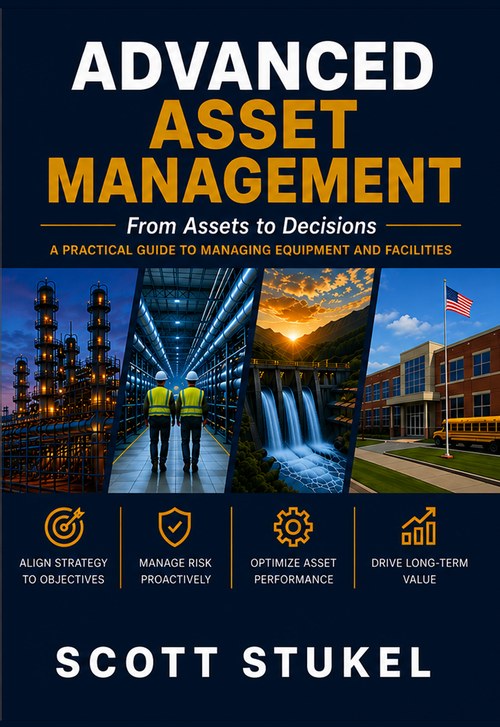
The hierarchy and asset strategy work that makes an EAM/CMMS useful for decisions, not just work orders.