Whites Elm works wherever the cost of getting it wrong is high, whether financially, operationally, or to the public. We focus on seven core sectors, each with its own pressures, regulations, and definitions of “good enough.”
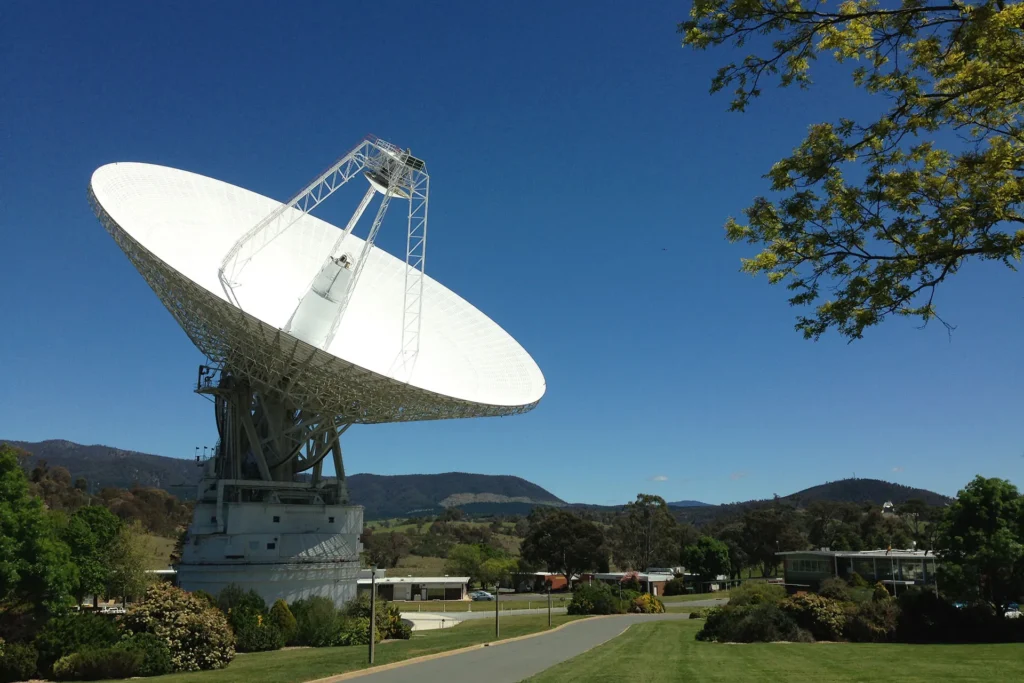
Civilian agencies, military installations, federal labs
K-12 districts & higher-ed campuses
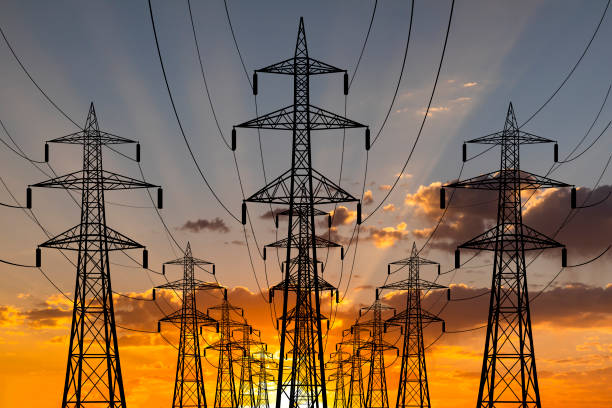
Generation, T&D, substations
Treatment, conveyance, dam & hydro
Process plants, F&B, industrial
Hospitals, clinical research, health systems
Cities, counties, DOTs
Federal portfolios (civilian agencies, military installations, and federal labs) carry unique pressures: aging assets, multi-year capital cycles, congressional and inspector-general scrutiny, and the constant tension between mission-readiness and budget reality.
Whites Elm has supported federal asset programs across mission-critical sites and infrastructure systems, with deep familiarity in how decisions get made, defended, and audited inside federal facilities.
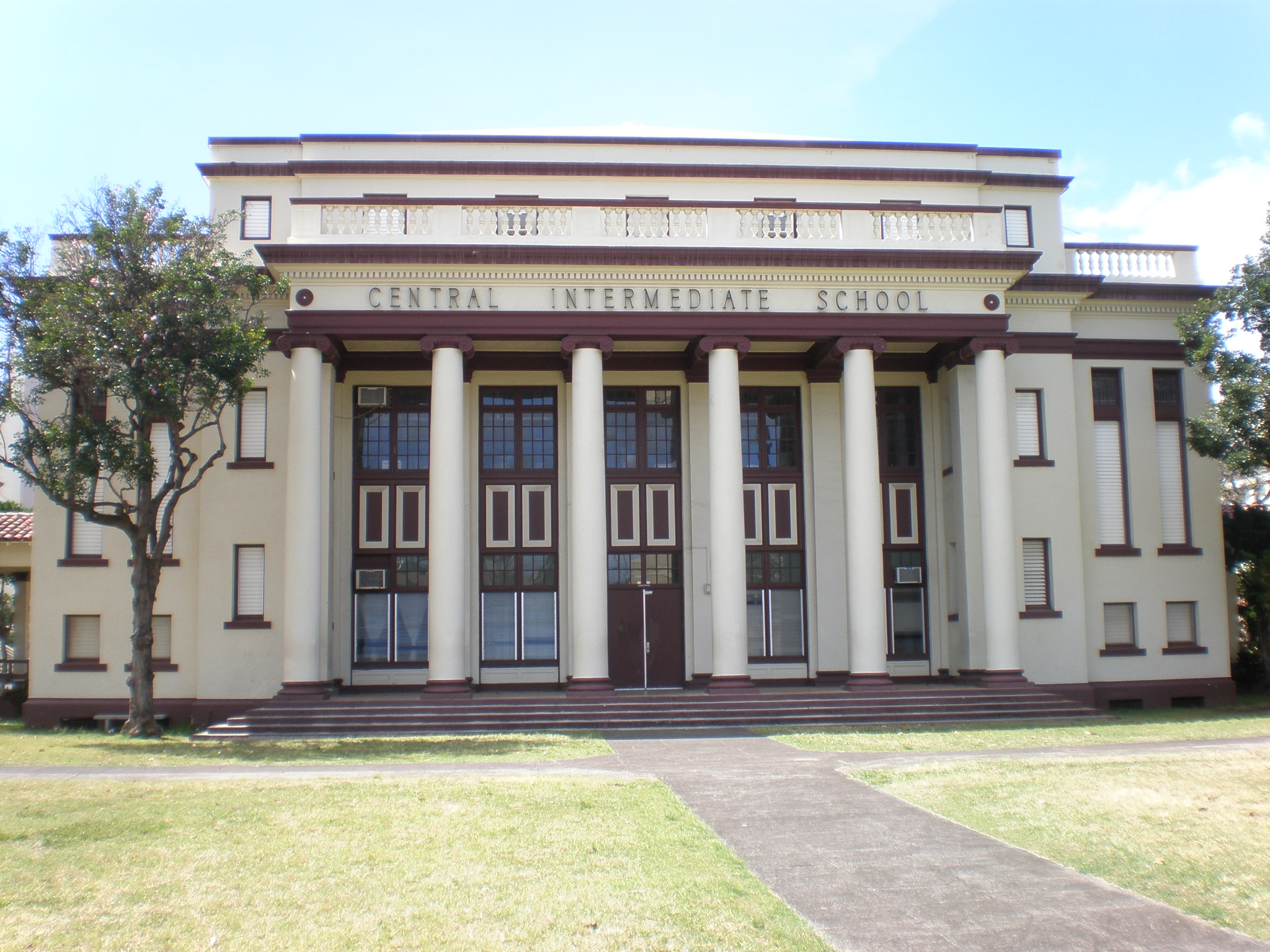
K-12 districts and higher-education institutions manage some of the most visible and complex asset portfolios in the country: aging buildings, deferred maintenance backlogs that have grown for decades, voter-approved capital bond programs, and direct accountability to school boards, regents, and the families they serve.
We help education leaders build defensible facility master plans, prioritize capital across multi-site portfolios, and turn condition data into investment narratives that hold up in front of a board, a council, or a community meeting.
Electric utilities, from IOUs to public power and co-ops, live at the intersection of asset reliability, rate-case justification, and regulatory expectation. Every capital decision needs both an engineering case and a regulatory case.
We help generation, T&D, and substation teams build asset-management programs that hold up to PUC and FERC scrutiny while still being usable by the planners, supervisors, engineers, and field crews who run the work.
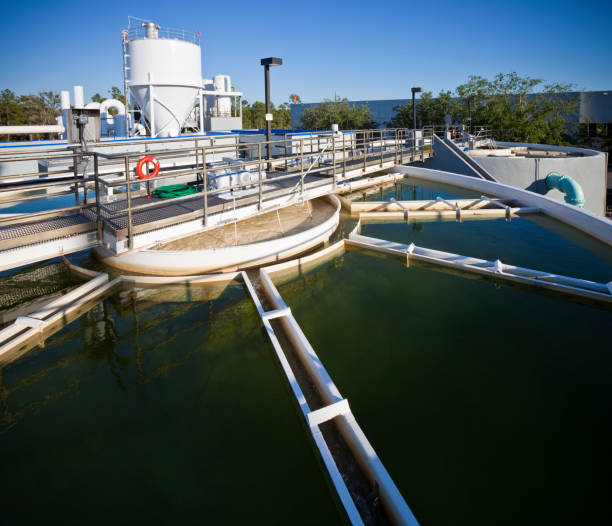
Water and wastewater utilities, dams, and hydroelectric systems are facing a combination of aging infrastructure, regulatory tightening (lead service lines, PFAS, dam safety), and constrained ratepayer capacity. Decisions made now shape decades of public service.
We work with water and wastewater leaders to make defensible long-term capital plans, prioritize across treatment / conveyance / pump-station portfolios, and stand up the asset-management muscle their next 20 years will require.
In process manufacturing, food & beverage, and heavy industrial operations, every unplanned hour costs real money, and reliability is the lever between good and great EBITDA. Asset management is margin protection.
We work with maintenance, reliability, and operations leaders to design work-management systems and reliability programs that turn maintenance into a planned, measurable, financially-defensible program.

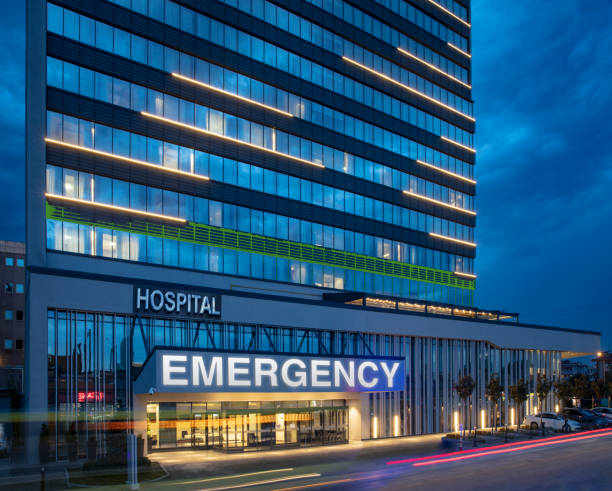
Hospital systems and clinical research facilities combine high-stakes physical infrastructure (clinical spaces, lab environments, life-safety systems) with constrained capital and complex governance. Asset management here is a balancing act between mission, regulation, and budget.
Working with healthcare facilities leaders, we help align day-to-day execution with longer-term capital strategy, often across multi-site systems where consistency is hard to come by.
Cities, counties, and state DOTs manage some of the most diverse asset portfolios in the country, with the most direct public accountability. Asset management here has to be defensible to a council, a board, or a citizen at a public meeting.
We help public-sector leaders build programs that make the case for the work that needs doing, in language that taxpayers and elected officials can engage with.

Asset management fundamentals travel well across industries. If your work involves complex assets, finite budgets, and people who rely on those assets being there tomorrow, we should have a conversation.